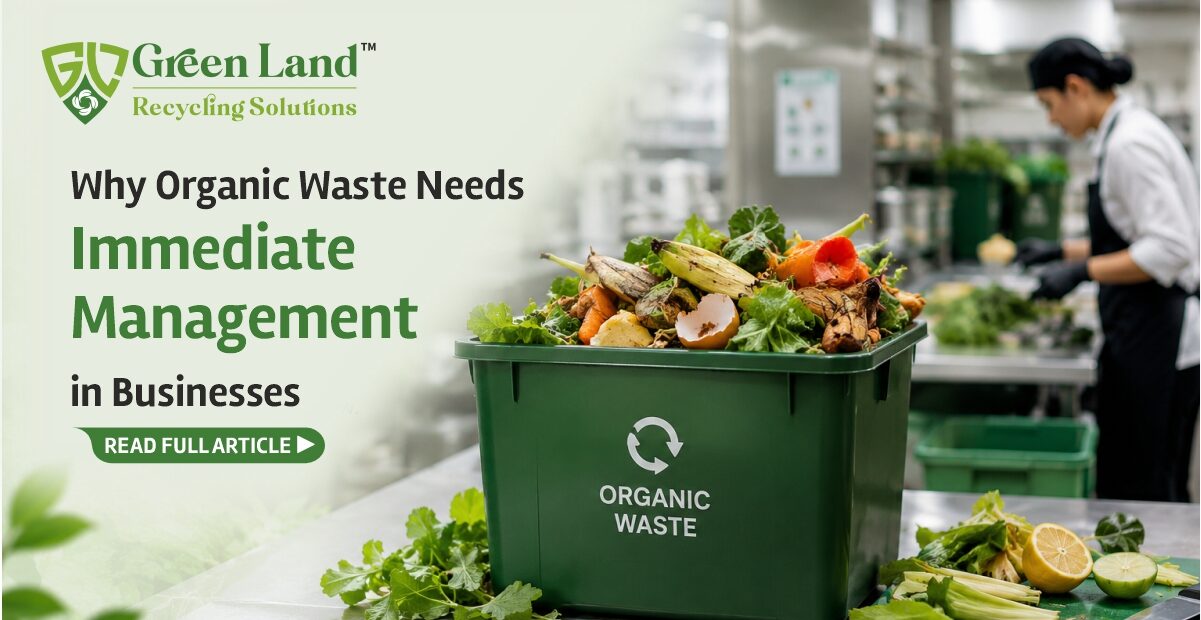
Organic waste is one of the fastest-growing yet most overlooked waste streams in business operations.
Across hospitality, retail, catering, and commercial facilities in the UAE, biodegradable waste accumulates quickly. When not managed immediately, it affects hygiene, operational efficiency, sustainability performance, and overall workplace standards.
Unlike dry waste streams, organic waste begins deteriorating almost instantly.
That’s why timing matters.
Why Delayed Handling Creates Bigger Problems
Unmanaged organic waste leads to more than unpleasant odours. It creates operational disruptions that businesses often underestimate.
Delayed collection and poor segregation can result in:
- Pest and hygiene concerns
- Overflowing waste areas
- Contamination of recyclable materials
- Increased cleaning and disposal costs
For customer-facing industries, these issues also impact brand perception and workplace experience.
This is why businesses are moving toward structured organic waste systems instead of treating it as routine disposal.
Segregation is the Starting Point
One of the biggest challenges in organic waste management is contamination.
When food waste is mixed with plastics, packaging, or general waste, recovery becomes difficult and recycling efficiency drops significantly.
Simple operational practices make a major difference:
- Dedicated organic waste bins
- Clear segregation processes
- Scheduled collection systems
- Staff awareness and accountability
Keeping waste streams clean improves handling efficiency and supports better recovery outcomes.
From Waste to Resource
Organic waste should not be viewed only as something to discard.
When processed correctly, it can be converted into useful outputs such as compost and soil-enhancing materials, supporting a more circular operational model.
This shift helps businesses reduce landfill dependency while strengthening sustainability and ESG performance.
Through structured collection, segregation, and recovery systems, companies like Green Land Recycling Solutions help businesses manage organic waste more efficiently and responsibly.
Why Businesses Are Acting Now
As sustainability expectations increase across the UAE, waste management is becoming a visible part of operational performance.
Businesses are expected to demonstrate cleaner processes, better resource management, and stronger environmental accountability. Organic waste management is now part of that conversation.
Organisations that act early are not only improving hygiene and efficiency. They are building smarter, more sustainable operational systems aligned with the future of responsible business.